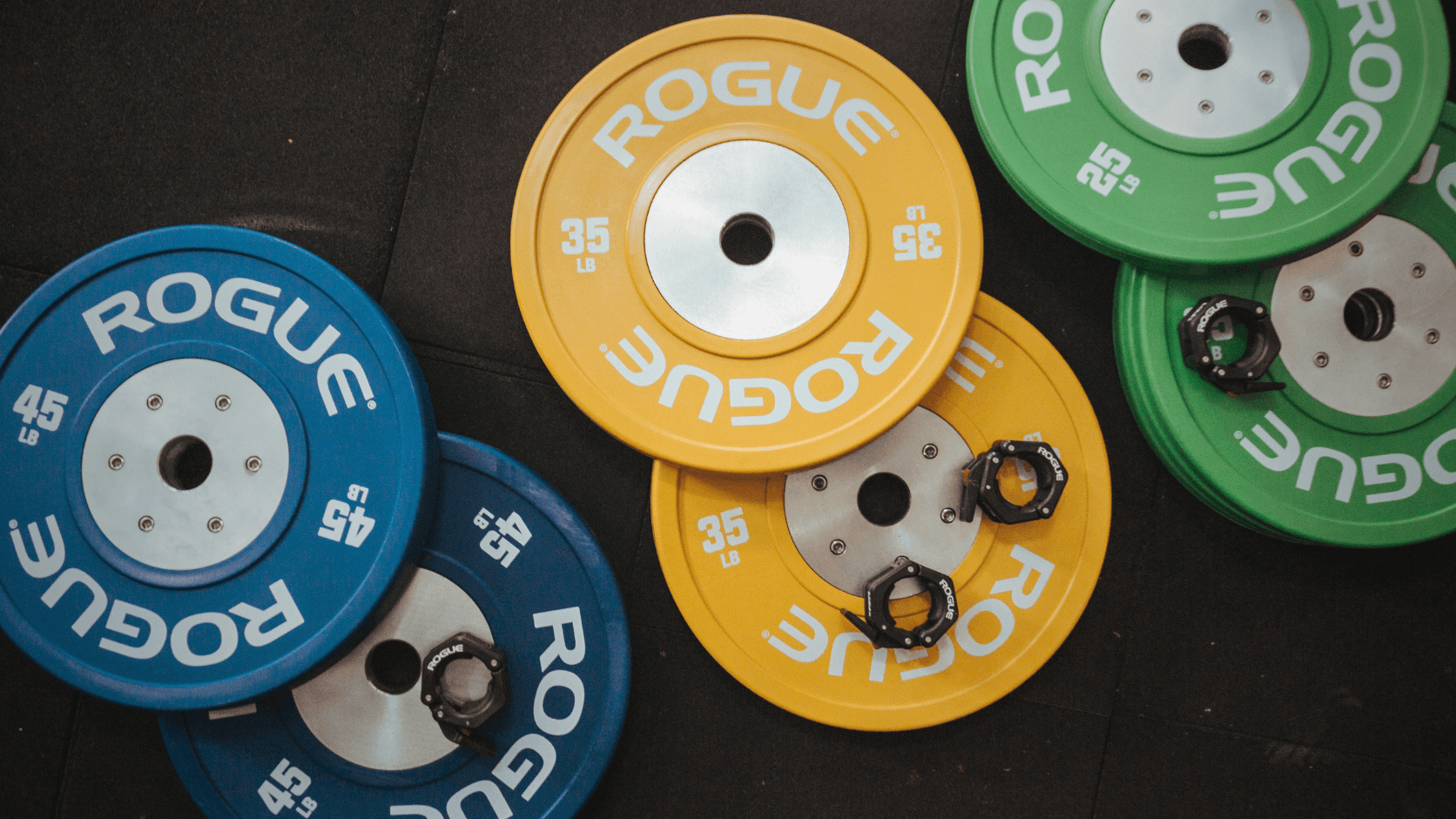
Weight plates representing progression through reps, load and execution

How to Progress When You Cannot Add More Weight

How to Progress When You Cannot Add More Weight

Adding load is only one form of progression. When the next weight jump is too large, use repetitions, technique, range of motion or a smaller training change to keep the exercise moving.

Muscle Building

8 min read

Weight plates representing progression through reps, load and execution

How to Progress When You Cannot Add More Weight

Adding load is only one form of progression. When the next weight jump is too large, use repetitions, technique, range of motion or a smaller training change to keep the exercise moving.

Muscle Building

8 min read

Does this sound like you?

Progressive overload means the training challenge increases over time. That can happen through more load, more good repetitions, better range of motion, improved control, more work at the same effort or, where appropriate, a small change in sets.

THE SHORT ANSWER

Keep the load, build controlled repetitions within the target range, and only add weight when all sets meet the technique and effort target. Small improvements count.

Progress the exercise, not just the number on the plate

Start with double progression. Keep the same load until every working set reaches the top of the repetition range at the intended RIR and technique. Then use the smallest available load increase and return to the lower end of the range.

If the equipment jump is too large, use fractional plates, a different dumbbell increment, a cable stack alternative or one extra repetition on selected sets. Better range of motion and control are valid improvements when they make the exercise more demanding without disguising the result.

Add sets cautiously. More volume is not automatically better and creates more fatigue. First check that the current sets are hard enough, repeatable and recovering well.

Evidence & useful reading: Load versus repetition progression trial · Progressive overload and training volume review · Jamie’s effort guide

When to get professional help: Seek a qualified professional for persistent pain, repeated technique breakdown, unexplained loss of strength or an injury that affects exercise selection.

Your daily energy total

Where your daily energy comes from

Your body uses energy at rest, through everyday movement, while processing food and during planned exercise. The balance is different for every person.

Illustrative share of TDEETotals 100%
BMR / RMR65% example

Resting energy

Keeps breathing, circulation, temperature regulation, organs and basic cell function running.

Often around 60–70%
NEAT17% example

Everyday movement

Walking, standing, work, errands, housework and other movement that is not planned exercise.

Highly variable
TEF10% example

Processing food

The energy used to digest, absorb and process the food you eat.

Often around 8–10%
EAT8% example

Purposeful exercise

The additional energy used during resistance training, running, sport and other planned activity.

Depends on training volume

The ranges are educational reference points. Further reading: non-exercise activity and TDEE and human energy-metabolism methods.

Use a progression ladder

Add reps first. Improve range. Slow the eccentric. Use smaller plates. Keep records.

First, build repetitions

First, build repetitions

Keep the load and add a controlled repetition where possible until the prescribed range is complete across all working sets.

Then use the smallest load jump

Then use the smallest load jump

Increase load only when technique, range and RIR are on target. Return to the lower end of the repetition range after the increase.

If the jump is still too large

Use fractional loading, a different equipment option, a small rep increase, better range of motion or a controlled pause. Change one variable at a time.

Know when to hold or change the exercise

Hold the load during poor sleep, high stress or a difficult week. Consider an exercise change when progress has stalled despite several well-executed weeks and the movement no longer suits the goal or the person.

Common mistakes

Practical checklist

Record load, repetitions and RIR
Keep technique and range of motion consistent
Reach the top of the rep range across working sets
Use the smallest available load increase
Change only one progression variable at a time
Review sleep, stress and recovery when performance drops
Use an alternative exercise only for a clear reason

Personalised support

Coaching can turn your logbook into specific progression rules for each exercise and adjust them as recovery changes.

JAMIE MUIR PERSONAL TRAINING

Practical resources for losing body fat, building muscle and making training easier to repeat in normal life.

The information on this site is general education only and is not medical advice. © 2026 Jamie Muir Personal Training.